

For many dog owners, mealtime can become a predictable routine: a bowl of kibble placed on the floor, a few sniffs, then swift consumption. While convenient, this monotony may lead to disinterest or even picky eating habits. Introducing ways to make mealtime stimulating can improve your dog’s engagement, mental stimulation, and overall well-being. Simple changes in feeding can transform a mundane task into an activity your pet eagerly anticipates. By adding variety, movement, and playful challenges, you can create a more dynamic feeding experience. Dogs, like humans, enjoy novelty, and the excitement of an interactive meal can make a significant difference in their happiness and appetite. Incorporating creative strategies for feeding can enhance your bond and maintain their enthusiasm for food throughout the day.
Rotate Flavors and Textures
A straightforward approach is to rotate the flavors and textures of your dog’s meals. Dogs can become bored with eating the same kibble every day. Offering different protein sources, wet foods, or lightly cooked vegetables can spark curiosity. Combining textures—such as crunchy kibble with soft toppers—can provide sensory interest that encourages enthusiastic eating. Changes should be gradual to avoid upsetting digestion. Small portions of mixed ingredients introduce variety without overwhelming their stomach. Even subtle alterations in flavor or consistency can capture attention and maintain excitement. Dogs respond to variety much like humans do, and offering diverse tastes may help prevent food fatigue while introducing additional nutrients to support health.
Use Puzzle Feeders and Slow Feeders
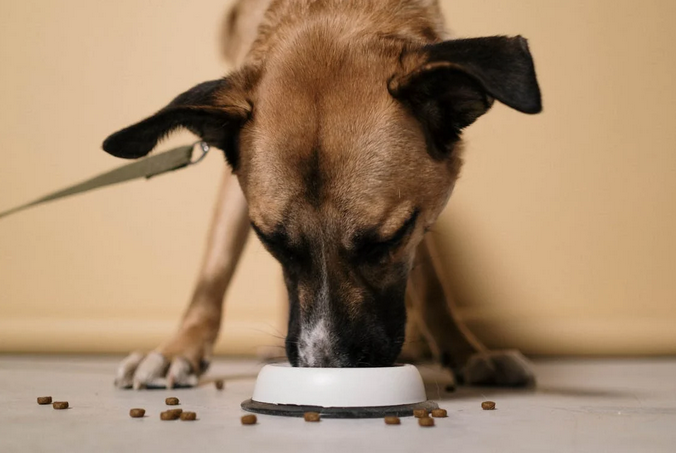
Puzzle feeders are an excellent way to add an interactive element to mealtime. These tools require dogs to work for their food, offering both mental stimulation and engagement. Slow feeders, in particular, help dogs that eat too quickly, reducing choking risks and supporting better digestion. Feeding with a puzzle encourages problem-solving, keeping dogs attentive and occupied longer than a standard bowl of food. Feeders come in various difficulty levels, allowing you to adapt to your dog’s abilities and personality. Even small challenges can increase satisfaction, making the meal feel like a rewarding activity rather than a routine task. This approach also provides mental enrichment, which is crucial for energetic or intelligent breeds.
Combine Meals with Training
Integrating training sessions into feeding times can transform meals into a game. Using portions of their meal as rewards for basic obedience commands or simple tricks encourages participation and reinforces good behavior. Breaking a meal into multiple mini-rewards prolongs engagement while providing nourishment. For example, ask your dog to sit, shake, or roll over before offering a small portion. This method keeps their mind active and fosters a sense of anticipation, making mealtime interactive rather than passive. Positive reinforcement strengthens the relationship between owner and pet, and dogs often respond enthusiastically to the combination of food and play. Over time, these sessions can help establish a structured, enjoyable routine.
Introduce Interactive Feeding Stations
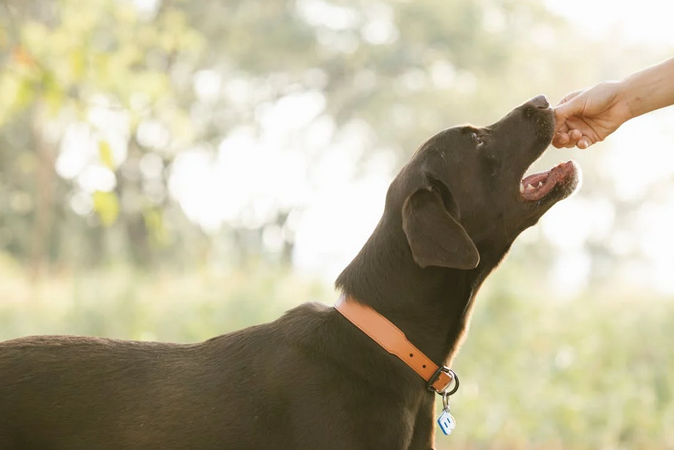
Moving beyond the usual bowl can significantly increase interest in mealtime. Consider elevated dishes, treat-dispensing toys, or scattering food across a safe space to encourage “foraging.” Dogs instinctively enjoy exploration and movement, so turning feeding into a discovery activity can be highly engaging. Even minor changes, such as using a different bowl or placing food in a new location, may stimulate curiosity. Interactive stations add variety, physical activity, and mental engagement, preventing meals from feeling repetitive. Dogs often develop a stronger connection to mealtime when they can explore or manipulate their food, increasing anticipation and enthusiasm. This practice can make feeding both fun and beneficial for their overall health.
Add Seasonal or Homemade Ingredients
Incorporating safe, seasonal, or homemade ingredients can elevate mealtime into a more enjoyable event. Fresh fruits, vegetables, or broths can introduce new flavors and textures while adding nutritional value. Homemade toppers or small treats provide a personal touch that dogs may find highly appealing. Always verify that any additions are safe and suitable for canine digestion. Simple enhancements such as cooked carrots, pumpkin, or small amounts of lean meat can turn an ordinary meal into a stimulating experience. These additions increase sensory interest and provide health benefits while keeping the feeding routine varied and exciting. Dogs often respond positively to these small, thoughtful changes.
Making mealtime enjoyable for your dog requires creativity and attention to their preferences. By rotating flavors, using puzzle feeders, combining meals with training, introducing interactive feeding stations, and adding safe seasonal ingredients, you can transform feeding into an engaging activity. These strategies prevent boredom, encourage healthy eating habits, and stimulate both mental and physical activity. Dogs thrive when meals are interactive and varied, making them more eager to eat while strengthening the connection with their owner. Simple adjustments in presentation, texture, and engagement can turn everyday feeding into a fun and rewarding experience, enhancing your dog’s overall happiness and well-being.

 You can always train your dog by yourself, but it will take some time and dedication, which not all of us can afford. And in that case, professional training for your dog can be your best solution. Hoerstel, Neufharn, Nidderau, and Zuelpich are four places where you can find dog schools that teach both the owners and dogs to overcome the problem. In case you do not know, your presence during the training can make the whole process a lot faster.
 When it comes to dogs, too much affection will cause problems. No matter how smart you think your dog is, his/her mind works with a reward/punishment system. If your dog misbehaves, punish him/her by not giving them your attention or any signs of affection. Dogs can sense your facial expression, and looking angry is enough to correct the dog’s behavior. Changing your voice tone will work too. Even if you think you need to make physical contact, do so by only pushing the dog’s back quickly but gently to show your dominance.