
Planning: The Key to a Smooth Commercial MovePlanning: The Key to a Smooth Commercial Move
Moving a commercial space, whether it’s an office, retail store, or warehouse, requires careful planning and coordination to ensure a smooth transition. You will need to work with the number one commercial movers Atlanta or in your region for a successful move. From packing up equipment and inventory to coordinating with employees and vendors, there are numerous tasks to manage during a commercial move. Planning is essential to minimize disruption to business operations and ensure a successful relocation. In this guide, we’ll discuss the importance of planning for a commercial move and provide practical tips to help businesses navigate the process with ease.
Assessing Needs and Establishing a Timeline
The first step in planning a commercial move is to assess the business’s needs and establish a realistic timeline for the relocation. Determine key factors such as the size and scope of the move, the availability of resources and workforce, and any specific requirements or challenges unique to the business. Establishing a timeline that accounts for critical milestones and deadlines will help keep the move on track and ensure every task is completed promptly.

Creating a Comprehensive Moving Plan
Once the needs and timeline have been established, develop a comprehensive moving plan that details every step and task required for the relocation. Break down the move into manageable stages, such as packing, transportation, and setup, and assign responsibilities to key team members or departments. Feature a detailed checklist of items to be moved, equipment needed, and any special considerations or instructions for movers and staff.
Communicating with Stakeholders
Effective communication is needed for a successful commercial transaction. Keep workers, clients, vendors, and other stakeholders aware of the relocation plans and how they will affect them. Provide frequent updates and feedback opportunities, as well as timely responses to any inquiries or concerns. Consider hosting meetings or training sessions to discuss the move and ensure that everyone is on the same page.
Coordinating with Service Providers
In addition to internal communication, coordinate with external service providers such as moving companies, IT professionals, utilities, and building management to ensure a smooth transition. Schedule services such as internet and phone installation, utility setup, and building access well in advance of the move date. Communicate any special requirements or instructions to service providers to avoid delays or disruptions on moving days.
Packing and Organizing
Proper packing and organizing are critical for a successful commercial relocation. Start packing non-essential goods early in the process, and clearly, mark boxes to make unloading and setup easier at the new location. During the relocation, keep track of all goods being relocated, such as furniture, equipment, and inventory. Consider using color-coded labels or a numbering system to streamline the packing and unpacking process.
Executing the Move
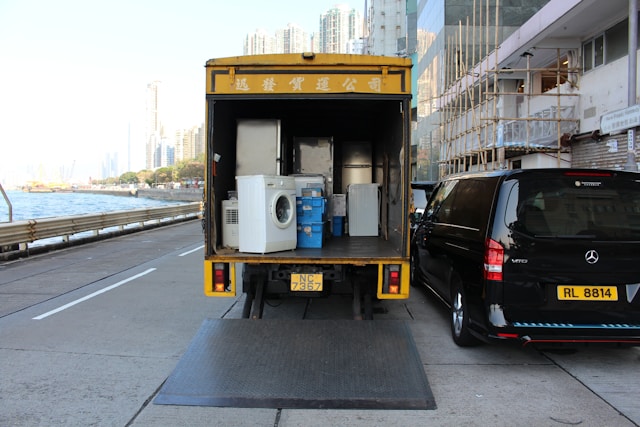
On a moving day, coordinate logistics and oversee the execution of the move according to the established plan. Ensure that movers have access to the building and parking areas and that they follow any specific instructions or guidelines provided. Supervise the loading and unloading …



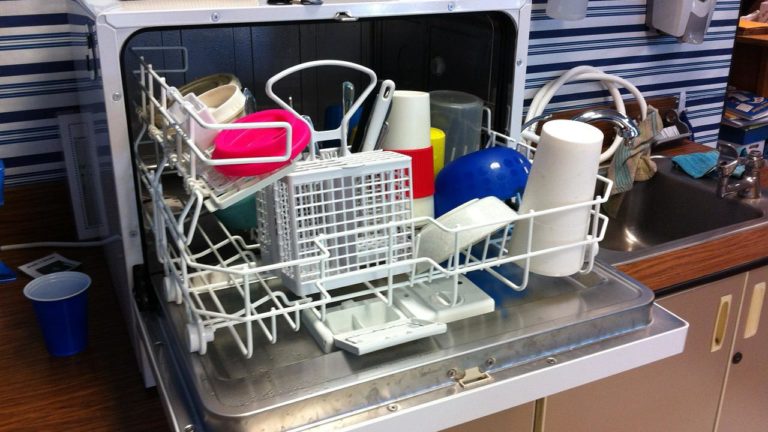
 Undercounter commercial dishwashers are an excellent option for businesses with limited space. They are compact and easy to install, and you can use them in various settings. If you are looking for an under-counter commercial dishwasher, we recommend the Miele G7856. Miele is a leading manufacturer of commercial dishwashers, and the G7856 is one of their most popular models.
 Conveyor-type dishwashers are probably the most common type of commercial dishwasher. They’re designed for high volume use in restaurants, cafeterias, and other food service operations. Conveyor dishwashers have a conveyor belt that runs through the machine. The dishes are loaded onto the conveyor belt and transported through the dishwasher. The conveyor belt then transports the dishes to an unloading area where they can be removed and stored.